
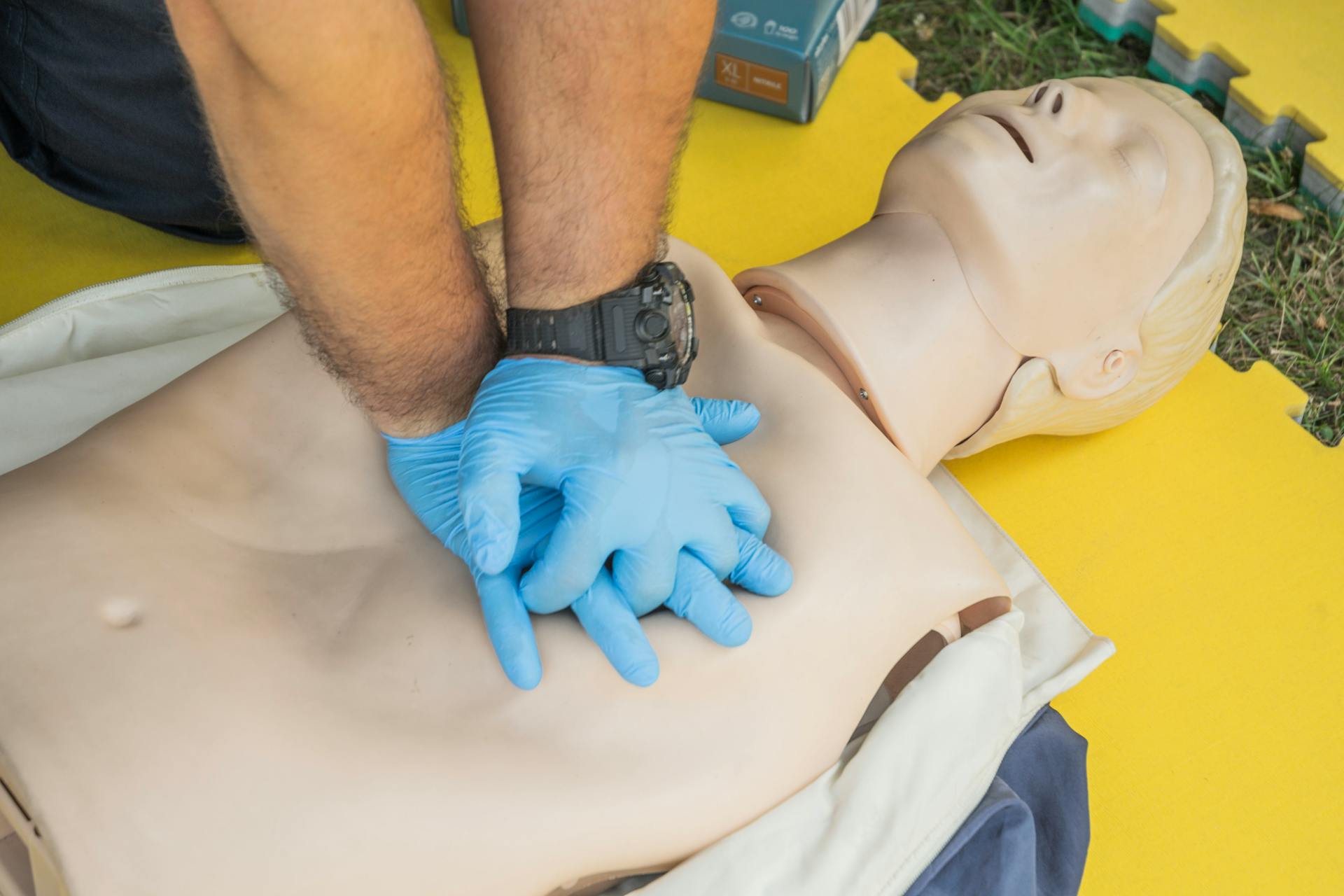
Emergencies have become a norm in today’s fast-paced business environments. Common workplace hazards can lead to dangerous incidents and threaten employees’ lives. As a responsible employer, it’s your job to ensure the safety of your workers. One of the best tools for that is F.A.S.T. training.
F.A.S.T. is a type of first aid training that equips employees with the necessary knowledge and skills to respond effectively to severe emergencies before professional help arrives.
What does F.A.S.T. stand for, and how can you get certified? These are some of the questions we will answer today as we look closer at F.A.S.T certification, its courses, and benefits for businesses.
Understanding F.A.S.T.
F.A.S.T. is an acronym for first aid for severe trauma. F.A.S.T. certification courses explore the medical care one can provide to someone who is experiencing severe trauma or injury.
The different elements of F.A.S.T. training highlight various aspects of this course. Here’s a detailed exploration of each component.
- F refers to first aid. Mastering first aid techniques enables employees to stabilize the person’s condition and prevent it from worsening.
- A pertains to assessing the person’s condition. This step entails evaluating the seriousness of the injuries and making decisions regarding the optimal course of treatment.
- S can refer to severe trauma and stabilization. Severe trauma can include anything from bleeding to head injuries and other critical conditions. Stabilization focuses on the techniques that will help control these injuries and preserve vital functions.
- T in F.A.S.T. can stand for training and transport. Training refers to the education required to act quickly in emergencies. Transport involves preparing the injured for safe relocation to a medical facility.
The Advantages of F.A.S.T. First Aid Training
Earning F.A.S.T certification provides several benefits, particularly concerning the high injury rates. OSHA reports show more than 5,000 fatal workplace injuries occurred in the US last year, and this figure is increasing.
These injuries can lead to:
- Low morale
- Legal disputes
- Lost productivity
- Medical expenses and comp claims
- Damages to a company’s reputation
F.A.S.T. training will not only help reduce workers’ comp claims but also result in the following:
Enhanced Employee Competence in Handling Emergencies
F.A.S.T. certification courses equip employees with the necessary skills, tools, and knowledge to respond to emergencies.
When workers undergo direct training in first aid practices tailored to severe trauma, they develop increased confidence in their potential to respond promptly. This empowerment leads to quicker, more decisive responses to injuries, potentially saving lives.
Reduced Severity of Workplace Injuries
One notable advantage of F.A.S.T. training is its role in reducing injury severity.
Employees can play a crucial role in averting the escalation of minor injuries to life-threatening ones by identifying critical injury signs and implementing immediate care measures.
This type of proactive intervention leads to:
- Shorter recovery times
- Less invasive operations
- Reduced healthcare costs
Improved Company Reputation
Human capital investment in injury prevention gives businesses a competitive advantage by enhancing company reputation.
When you, as an employer, invest in F.A.S.T certification programs, you demonstrate a level of care and responsibility. As a result, your employees, partners, and clients will perceive you as a more responsible entity they can trust.
Increased Workplace Safety and Compliance With Regulations
F.A.S.T. training is vital for cultivating a culture of safety, prompting employees to:
- Report hazards
- Participate in safety initiatives
By prioritizing workplace safety and wellness, businesses can create a more vigilant workforce that is:
- More willing to comply with regulations
- Prepared to handle different emergencies
F.A.S.T. First Aid Training: A Step Toward Professionalism
What F.A.S.T. stands for does indeed resonate in this highly regarded certificate, which signifies your commitment to safety.
To take this step toward professionalism and get certified, you must invest in F.A.S.T. certification courses. These courses typically involve in-person classes, hands-on practices, and educational videos on occupational injury prevention.
Here is how you can obtain the F.A.S.T. training certificate.
F.A.S.T Certification Process
1. Enroll in a Training Program
Choose a reputable provider offering F.A.S.T. courses to ensure the curriculum meets industry standards.
2. Complete the Training Program
Participate in the hands-on workshops and complete the theoretical coursework as required.
3. Demonstrate Competency
Pass the written and practical exams to demonstrate proficiency in the first aid skills taught.
4. Receive Certificate
Receive your certificate upon successful completion of the program.
Curriculum of a F.A.S.T. Training Program

F.A.S.T includes a range of courses. Experienced trainers certified in emergency response and trauma management will deliver these courses, covering all the necessary topics to educate employees properly.
Here is a closer look at the various F.A.S.T. certification courses and topics employees will learn.
Basic Trauma Response Course
F.A.S.T certification classes begin with an exploration of foundational topics in trauma care, such as:
- Introduction to severe trauma
- Initial assessment of the scene
- Basic trauma care techniques such as CPR and AED
- Introduction to bleeding control, shock management, and patient positioning
Advanced Trauma Management Course
After covering the basics, the instructor will move on to more advanced F.A.S.T. training courses involving:
- Treating burns and scalds
- Splinting and immobilization
- Advanced assessment techniques
- Recognizing and responding to head and spinal injuries
- Hands-on training in applying pressure bandages and tourniquets
- Techniques for packing traumatic wounds and managing deep lacerations
Scenario-Based Training
Integral to F.A.S.T. first aid training are drills that emulate real-life emergency circumstances. These scenario-based practical courses involve:
- Simulating emergencies ranging from workplace accidents to outdoor injuries
- Analyzing performance and discussing areas for improvement post-scenario
- Encouraging participants to apply learned skills in safe, controlled environments
- Emphasizing the importance of teamwork and communication during trauma response
Workplace Injury Prevention Course
Lastly, F.A.S.T. training emphasizes workplace injury prevention education for a proactive approach. These courses involve:
- Reporting and documenting incidents
- Identifying potential workplace hazards
- Strategies for preventing injuries at work
- Creating a culture of safety in the workplace
By providing in-depth training on various aspects of trauma response, F.A.S.T certification courses help you and your workforce take a participative approach to occupational health and minimize the risk of fatal injuries.
Combat Workplace Trauma Effectively with BIOKINETIX
So what does F.A.S.T. stand for? It’s more than just safety training. F.A.S.T. is a testament to your commitment to the well-being of your employees.
Investing in F.A.S.T. first aid training allows you to protect your employees while enhancing the reputation and success of your business. Prioritize your employees’ safety starting today.
Need help crafting employee health and wellness programs? BIOKINETIX can help. We offer various workplace safety and health education training programs tailored to your company’s needs.
Contact us today to schedule a meeting and learn more about F.A.S.T. training.
